

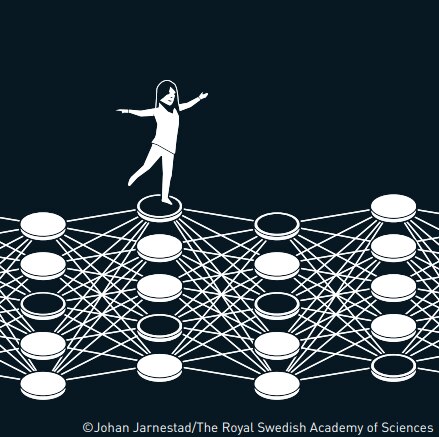
Nobel prize laureates inspire with groundbreaking discoveries in physics

In a momentous celebration of innovation and scientific enlightenment, the Nobel Prize in Physics for 2024 has been awarded to two visionaries whose groundbreaking contributions have propelled the realm of machine learning into uncharted territories. John Hopfield and Geoffrey Hinton stand as luminaries at the forefront of using principles from physics to revolutionize the landscape of powerful machine learning tools, igniting a spark of inspiration in the hearts of scientists and dreamers alike.

Through their unwavering dedication and pioneering spirit, John Hopfield and Geoffrey Hinton have reshaped the course of technological evolution with their visionary creations. John Hopfield’s pioneering work led to an associative memory that transcends conventional boundaries by storing and reconstructing images and patterns within datasets. His ingenious invention has paved the way for advanced applications in image recognition, data processing, and cognitive computing, charting a new course in artificial intelligence.

On the other hand, Geoffrey Hinton’s groundbreaking method has heralded a transformative era in which machines autonomously identify patterns and properties within data, opening up possibilities that were once confined to the realms of science fiction. With his innovative approach, machines can now accomplish intricate tasks such as identifying specific image elements with remarkable accuracy and efficiency, heralding a new dawn in the fusion of physics with machine learning.

The profound impact of their discoveries resonates far beyond the confines of laboratories and research institutions, inspiring a generation of innovators and trailblazers to harness the power of physics in unlocking the mysteries of artificial intelligence and machine learning. Their visionary efforts have advanced the frontiers of technological innovation and laid the foundation for a future where machines and humans synergistically collaborate to shape a brighter tomorrow.

As we reflect on the remarkable achievements of John Hopfield and Geoffrey Hinton, we are reminded of the transformative power of human intellect and ingenuity. Their relentless pursuit of knowledge and a spirit of unyielding curiosity inspire all who dare to dream and push the boundaries of what is possible.

The Nobel Prize in Physics for 2024 is a testament to the indomitable spirit of human creativity and the limitless possibilities that await those who dare to challenge the status quo. Let us celebrate the extraordinary contributions of John Hopfield and Geoffrey Hinton as we embark on a journey towards a future where the convergence of physics and machine learning reshapes the world as we know it.
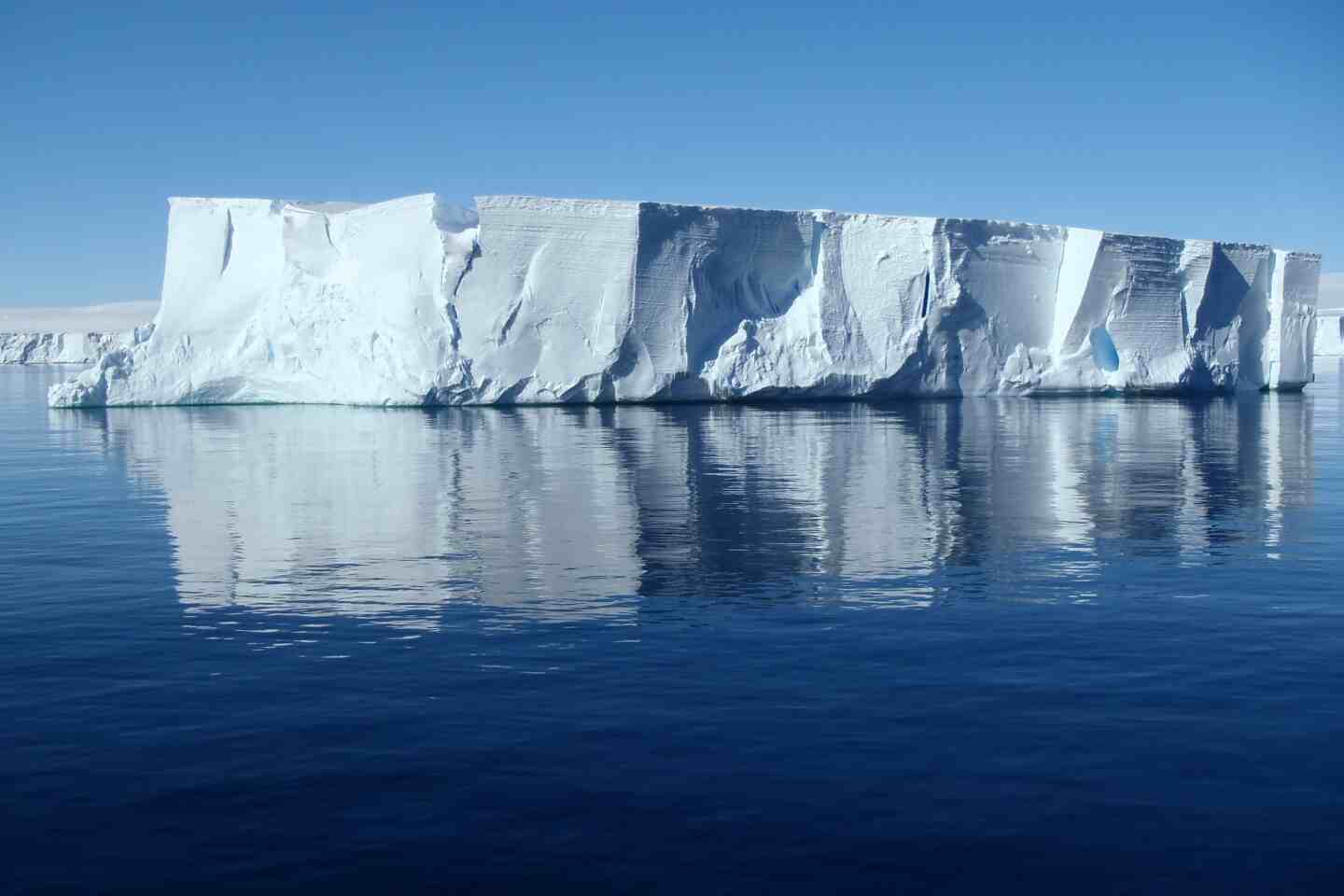
Icebergs near Bear Peninsula in West Antarctica are being studied as part of the International Thwaites Glacier Collaboration. (Photo by Amy Chiuchiolo, National Science Foundation, licensed under CC BY 4.0 - cropped from original)

Dartmouth study uses advanced physics of ice dynamics to disprove predictions of extreme sea-level rise

Amidst the ongoing climate crisis, a study led by a team of researchers at Dartmouth University has provided a hopeful perspective on the issue. The study challenges alarming projections of sea-level rise due to the melting of polar ice sheets, emphasizing the necessity of accurate modeling and simulation in climate science.

The researchers utilized supercomputer simulations and high-fidelity modeling to closely examine a scenario outlined in the latest report by the United Nations' Intergovernmental Panel on Climate Change (IPCC). This scenario suggests a significant increase in global sea levels resulting from the potential collapse of the Antarctic ice sheets, which could lead to extensive coastal flooding, including in the Florida Peninsula, with up to 50 feet of seawater.

The study delves into the concept of Marine Ice Cliff Instability (MICI), which suggests that the rapid disintegration of ice shelves could trigger a catastrophic chain reaction leading to unprecedented sea-level rise. However, the Dartmouth researchers, employing advanced high-resolution models and supercomputing capabilities, have cast doubt on the likelihood and immediacy of such a scenario.

Led by Professor Mathieu Morlighem and his team, the study focused on Antarctica's Thwaites Glacier, known as the "Doomsday Glacier" due to its significant role in global sea-level dynamics. Contrary to predictions linked to MICI, the simulations revealed a more gradual and restrained retreat of the glacier, challenging the notion of an imminent ice cliff collapse predicted by existing models.

The implications of these findings are significant, particularly in the realm of coastal planning and resilience strategies. As policymakers and planners wrestle with the need to protect vulnerable coastlines from rising sea levels, the accuracy of climate models becomes paramount. The Dartmouth study underscores the critical need for precision in modeling techniques, cautioning against relying solely on worst-case scenarios that may not fully align with the underlying physics of ice dynamics.

Professor Morlighem emphasizes the pivotal role of high-end estimates in triggering policy responses and shaping adaptation strategies. Through the fusion of cutting-edge supercomputer simulations and meticulous modeling practices, the researchers have unraveled a complex interplay of factors governing ice sheet dynamics, shedding light on the profound uncertainties that exist in our understanding of climate-driven phenomena.

In the face of the looming threat of climate change, the Dartmouth study demonstrates the transformative power of scientific inquiry when bolstered by sophisticated computational tools and rigorous methodology. By challenging the very foundations of extreme climate projections, the researchers advocate for prudence and precision in confronting an uncertain future, urging a recalibration of our collective response to the evolving climate crisis.

In a world where uncertainties are prevalent, the convergence of advanced technology and scientific expertise offers hope in the battle against climate change. The Dartmouth study highlights the indispensable role of supercomputer simulations in navigating the complexities of climate science, marking a new stage in our efforts to understand and address the challenges posed by a warming planet.

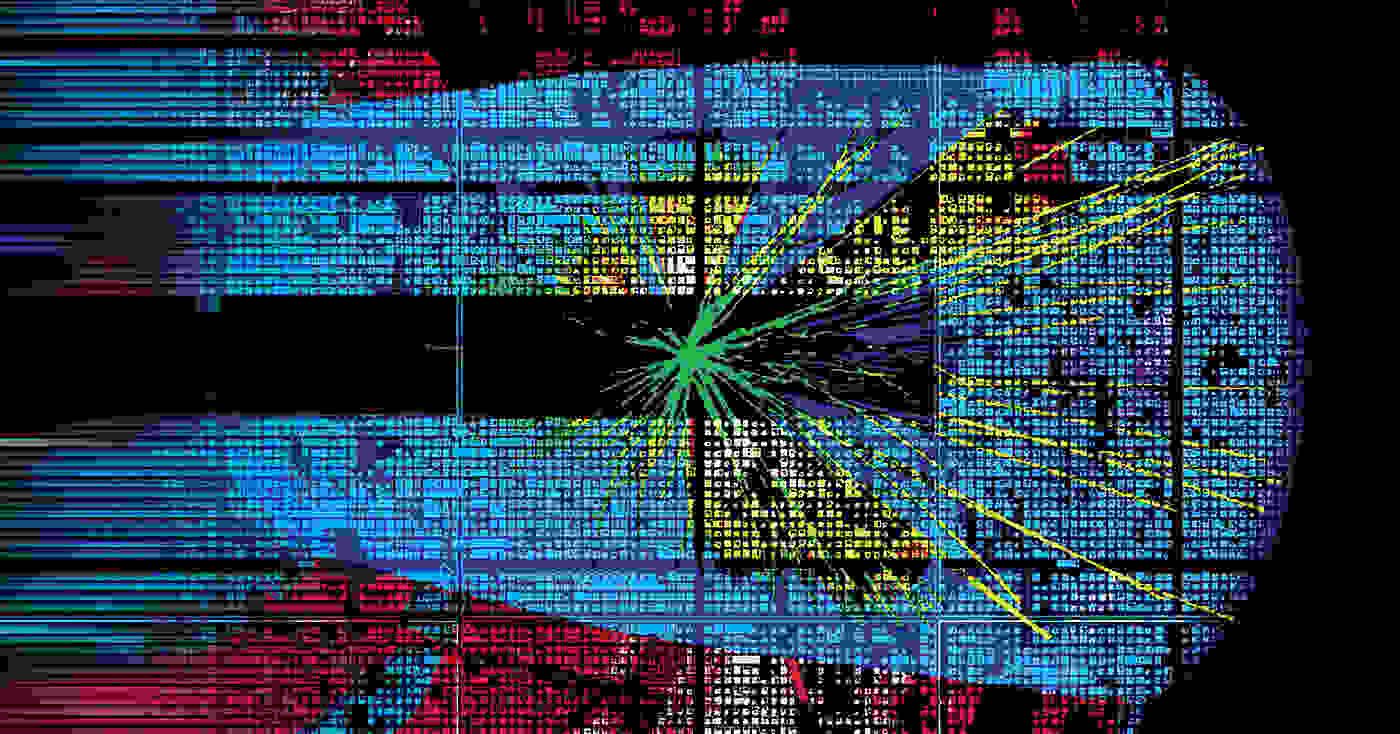
(Image: S Sioni/CMS-PHO-EVENTS-2021-004-2/M Rayner)

AI helps physicists search for new particles at the frontier of particle physics

Physicists at the ATLAS and CMS collaborations are using advanced machine-learning techniques to explore undiscovered particles and potentially make breakthroughs in fundamental physics. They are searching for new particles at the Large Hadron Collider (LHC) through the use of artificial intelligence (AI) algorithms to analyze complex collision data. By training AI algorithms to identify and differentiate between known and unknown particle signatures, researchers have made significant progress in the detection of anomalous features that may indicate the presence of previously unknown particles.

The CMS team's use of diverse machine learning methods has demonstrated the potential for AI algorithms to enhance the sensitivity of particle signature detection compared to traditional techniques. Dr. Oz Amram from the CMS analysis team highlighted the future potential for further improvements in the algorithms and their application across various data scopes, as collaboration between AI and particle physics continues to break new ground.

The integration of AI and particle physics not only advances the search for new particles but also has the potential to reshape the field of physics exploration. This collaboration between AI and fundamental physics has the potential to shed light on unexplored areas of the universe, transforming our understanding of the cosmos and showcasing the powerful synergy between innovative technology and scientific discovery.