
New study tracks pollution worldwide

A groundbreaking study has revealed a concerning picture of urban air quality and carbon emissions in 13,189 cities around the world. Using advanced supercomputing and geospatial modeling, researchers have carefully mapped the concentrations of fine particulate matter (PM₂.₅), nitrogen dioxide (NO₂), ozone (O₃), and fossil-fuel CO₂ emissions from 2005 to 2019. The findings are alarming: although some high-income countries have made modest reductions, the global trend shows a troubling increase of 6% in ozone levels and a 4% rise in CO₂ emissions. PM₂.₅ levels have stagnated, and NO₂ has seen only a negligible decrease of 1%.

This comprehensive analysis, led by researchers from the George Washington University, highlights the persistent nature of urban pollution. Despite some localized improvements, over half of the surveyed cities showed positive correlations among all pollutants, indicating a widespread failure to separate economic growth from environmental degradation. The study emphasizes that urban areas, which account for over 70% of global greenhouse gas emissions, are central to the climate crisis. unnam22222ed
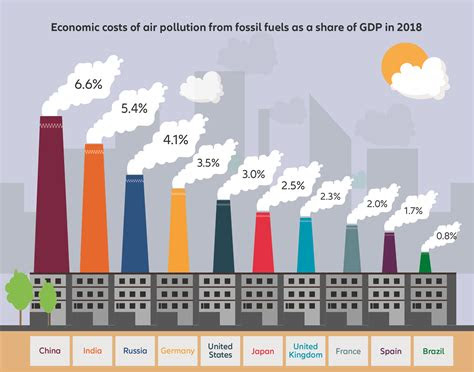
The economic consequences are equally alarming. Air pollution imposes a significant burden on global economies, with the World Bank estimating costs exceeding $8 trillion annually, over 6% of global GDP. These expenses arise from healthcare costs, reduced labor productivity, and lower agricultural yields. In the United States alone, air pollution-related damages were estimated at $790 billion in 2014, representing about 5% of the nation’s GDP. Air pollution cost in Global GDP 1
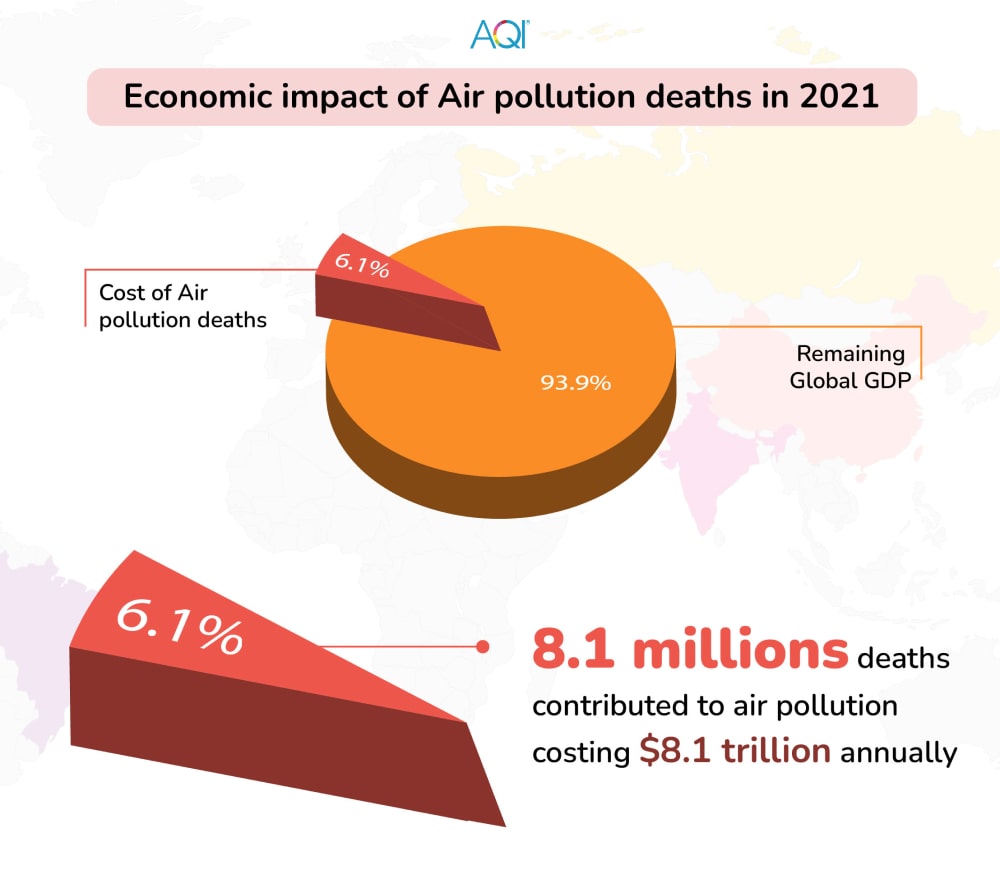
Furthermore, the health impacts are severe. Air pollution contributes to approximately 7 million premature deaths each year, making it the second leading risk factor for death globally after high blood pressure. The study's findings indicate that without aggressive and immediate policy interventions, these numbers are likely to rise, worsening public health crises and economic instability.

While supercomputing has offered an unprecedented view of the scale of urban pollution, the data suggests a bleak future. The study serves as a call to action for policymakers and global leaders to implement stringent environmental regulations and invest in sustainable urban planning. Without decisive action, the intertwined challenges of air pollution and climate change will continue to threaten planetary and human health.
Intel's recent developments highlight the company's ongoing struggles amid leadership changes, financial difficulties

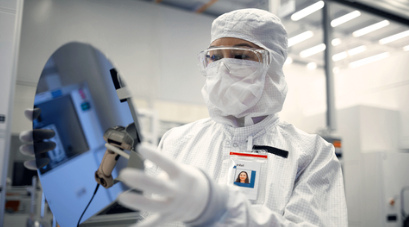
The announcements from Intel Corporation paint a concerning picture of a tech giant facing internal and external pressures. Despite its efforts to reposition itself within the competitive semiconductor industry, Intel is encountering significant challenges that raise doubts about its future.

In the first quarter of 2025, Intel reported a net loss of $800 million, with revenues stagnating at $12.7 billion. The company's forecast for the second quarter is equally discouraging, projecting revenues between $11.2 billion and $12.4 billion, which fall short of analyst expectations. These numbers underscore Intel's ongoing difficulty regaining its footing in a market increasingly dominated by competitors such as Nvidia and TSMC.

In response to its financial troubles, Intel has implemented substantial cost-cutting measures. The company plans to reduce capital expenditures by 10%, lowering its budget from $20 billion to $18 billion, and has announced potential workforce reductions exceeding 20%. These layoffs follow a previous cut of 15,000 employees in August, indicating a concerning trend of downsizing.

Intel's leadership is also experiencing significant changes. Christoph Schell, the company's Chief Commercial Officer and sales lead, has announced his resignation, effective June 30. His departure adds to the instability at the executive level, raising concerns about the company's strategic direction during this critical period.

Intel's attempts to revitalize its foundry business have seen limited success. Although the company has attracted interest for test chips using its upcoming 14A manufacturing process, these developments are still in their infancy and may not lead to immediate financial benefits.

The company's stock performance reflects growing investor skepticism. Despite posting better-than-expected first-quarter earnings, Intel's shares fell by up to 10%, erasing earlier year-to-date gains. This decline is attributed to concerns about global trade policy uncertainties, potential tariffs, and a looming recession, which could further hinder Intel's recovery.

As Intel navigates these challenging circumstances, the path ahead looks fraught with obstacles. The company's efforts to streamline operations and refocus on engineering excellence may not be enough to combat the competitive pressures and internal disruptions it faces. Intel risks falling further behind in the rapidly evolving semiconductor industry without a clear and effective strategy.

AI meets DNA: Scientists create custom gene editors with machine learning

In a remarkable convergence of artificial intelligence and biotechnology, researchers at Mass General Brigham have introduced a groundbreaking method for engineering "bespoke enzymes" specifically designed for gene editing. This innovative approach utilizes machine learning to create enzymes with unprecedented precision, potentially revolutionizing treatments for a wide range of genetic disorders.

The Quest for Precision

Gene editing has long been recognized as a leading frontier in modern medicine, offering the promise of correcting genetic anomalies at their source. However, a significant challenge has always been ensuring specificity—ensuring that edits occur exactly where intended, without any off-target effects. Traditional enzymes used in gene editing, while effective, often lack the level of precision required for such meticulous tasks.

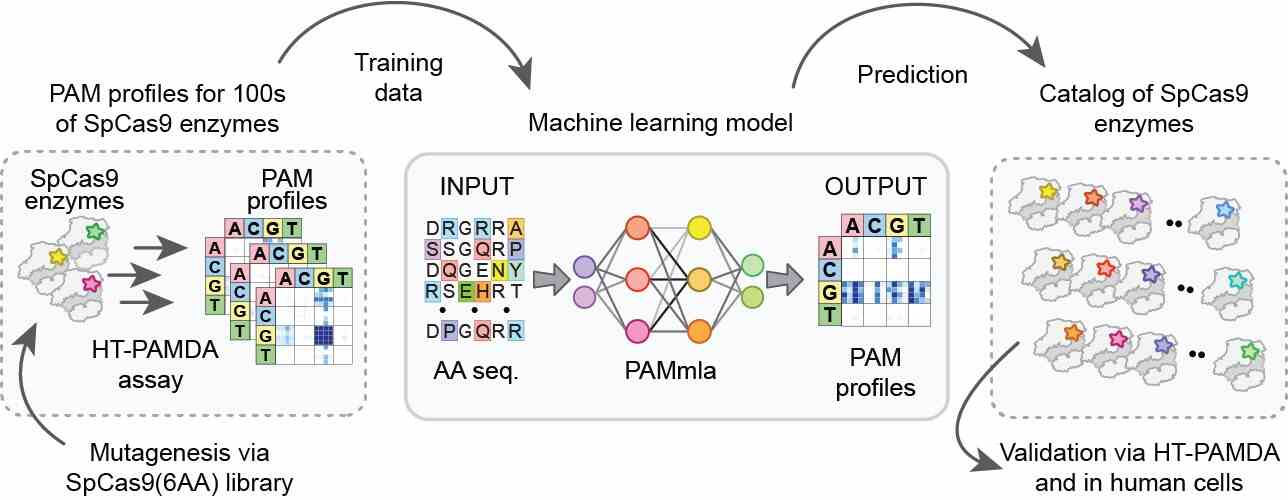
This is where machine learning comes into play. By training algorithms on extensive datasets of enzyme structures and functions, the research team has developed models capable of predicting and designing enzyme variants with improved specificity. These custom-designed enzymes can precisely target genetic sequences, minimizing unintended alterations.

A Symphony of Science and Technology

Dr. Rachel A. Silverstein, the principal investigator of the study, stated, "This is a paradigm shift. By integrating machine learning into enzyme design, we're not just refining existing tools—we're creating entirely new instruments for gene editing."

The implications of this technology are profound. It could lead to more effective and safer treatments for conditions such as cystic fibrosis, sickle cell anemia, and certain types of cancer. Additionally, the adaptability of this approach means it can be customized to fit individual genetic profiles, paving the way for an era of personalized medicine.

Looking Ahead

Although the research is still in its early stages, the results are promising. The team is now focusing on refining the algorithms and conducting preclinical trials to evaluate the efficacy and safety of these bespoke enzymes in living organisms.

Dr. Ben Kleinstiver, a co-author of the study, emphasized the collaborative nature of the project: "This achievement is the culmination of interdisciplinary efforts, bringing together experts in computational biology, genetics, and molecular engineering."

As the lines between biology and technology continue to blur, innovations like this underscore the transformative potential of interdisciplinary research. The intersection of machine learning and gene editing not only showcases scientific ingenuity but also offers hope for countless individuals affected by genetic diseases.