SUPERCOMPUTING NEWS SUPERCOMPUTING NEWS
    • MEDIA KIT
    • MOST READ
    • RSS FEED
    • ACADEMIA
    • AEROSPACE
    • APPLICATIONS
    • ASTRONOMY
    • AUTOMOTIVE
    • BIG DATA
    • BIOLOGY
    • CHEMISTRY
    • CLIENTS
    • CLOUD
    • DEFENSE
    • DEVELOPER TOOLS
    • EARTH SCIENCES
    • ECONOMICS
    • ENGINEERING
    • ENTERTAINMENT
    • GAMING
    • GOVERNMENT
    • HEALTH
    • OIL & GAS
    • INDUSTRY
    • INTERCONNECTS
    • MANUFACTURING
    • MIDDLEWARE
    • MOVIES
    • NETWORKS
    • PHYSICS
    • PROCESSORS
    • RETAIL
    • SCIENCE
    • STORAGE
    • SYSTEMS
    • VISUALIZATION
    • AcyMailing subscription form

    • ADD YOUR VIDEOS
    • MANAGE VIDEOS
    • CONVERSATION INBOX
    • SOCIAL ADVERTISER
    • SOCIAL NETWORK VIDEOS
    • SURVEYS
    • GROUPS
    • PAGES
    • MARKETPLACE LISTINGS
    • APPLICATIONS BROWSER
    • PRIVACY CONFIRM REQUEST
    • PRIVACY CREATE REQUEST
    • LEADERBOARD
    • POINTS LISTING
      • BADGES
    • TRADE SHOWS
Sign In
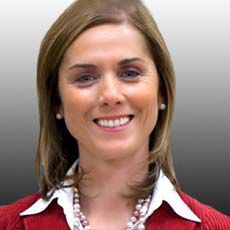
Dr Marietta Iacucci MD, PhD
Tyler O'Neal, Staff Editor ACADEMIA March 3, 2023, 5:00 am

Birmingham prof Iacucci builds AI to predict future flares of ulcerative colitis activity

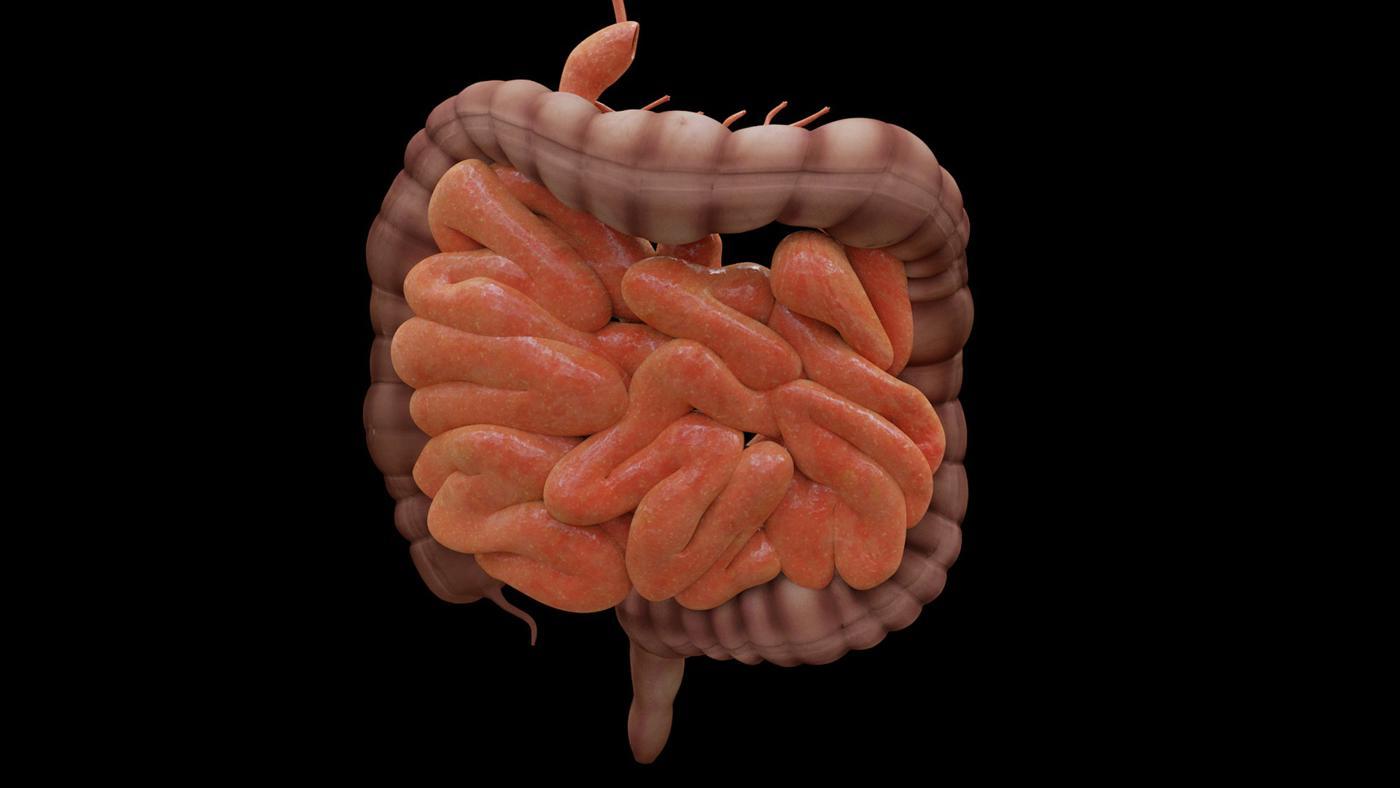
Ulcerative colitis assessment could be improved after new research shows that an artificial intelligence model could predict flare-ups and complications after reading biopsies. intestine g31a8cc64c 1920.xa026b8ce c453c

In a new paper published in Gastroenterology today, researchers supported by the National Institute for Health and Care Research Birmingham Biomedical Research Centre have trialed an AI diagnostic tool that can read digitized biopsies taken during colonoscopy.

The Computer-Aided Diagnostic model was able to predict the risk of flare-ups for ulcerative colitis, which is a relapsing-remitting condition and makes the prognosis for the disease uncertain. In the trial, the model was able to predict patients at risk of a flare in the disease as well as humans.

The system was trained on existing digitized biopsies and was able to detect activity related to ulcerative colitis with 89% accuracy for positive results. It was also able to identify markers of inflammation activity and healing in the same area as biopsies were taken with 80% accuracy, similar to human pathologists.

Professor Marietta Iacucci from the Institute of Immunology and Immunotherapy at the University of Birmingham and University College Cork in Ireland, and co-lead author of the paper said:

“The power of AI in healthcare is evident in trials like these, where a model can be used to standardize in real-time histological assessment of Ulcerative Colitis disease activity. But most importantly it provides analytical support and enables clinicians to support those at the greatest risk of relapsing symptoms and disease course.

“Ulcerative Colitis is a complex condition to predict, and developing machine learning-derived systems to make this diagnostic job quicker and more accurate could be a game changer. As models like this further develop, the predictive quality is likely to improve even more, and our paper demonstrates how beneficial such technology could be for clinicians and, crucially patients.”

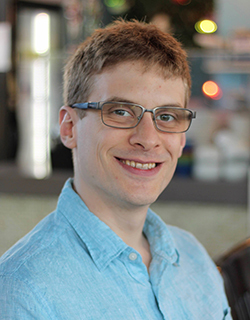
Dr. John-Jose Nunez
Dr. John-Jose Nunez

UBC develops AI model that predicts cancer patient survival by reading doctor's notes

Tyler O'Neal, Staff Editor ACADEMIA March 2, 2023, 1:00 pm

A team of researchers from the University of British Columbia and BC Cancer have developed an artificial intelligence (AI) model that predicts cancer patient survival more accurately and with more readily available data than previous tools.

The model uses natural language processing (NLP) – a branch of AI that understands complex human language – to analyze oncologist notes following a patient’s initial consultation visit—the first step in the cancer journey after diagnosis. By identifying characteristics unique to each patient, the model was shown to predict six-month, 36-month, and 60-month survival with greater than 80 percent accuracy. The findings were published today in JAMA Network Open.

“Predicting cancer survival is an important factor that can be used to improve cancer care,” said lead author Dr. John-Jose Nunez, a psychiatrist and clinical research fellow with the UBC Mood Disorders Centre and BC Cancer. “It might suggest health providers make an earlier referral to support services or offer a more aggressive treatment option upfront. Our hope is that a tool like this could be used to personalize and optimize the care a patient receives right away, giving them the best outcome possible.” Cancer Research AI Artificial Intelligence 1200x700 d57da

Traditionally, cancer survival rates have been calculated retrospectively and categorized by only a few generic factors such as cancer site and tissue type. Despite familiarity with these rates, it can be challenging for oncologists to accurately predict a patient’s survival due to the many complex factors that influence patient outcomes.

The model developed by Dr. Nunez and his collaborators, which includes researchers from BC Cancer and UBC’s departments of computer science and psychiatry, is able to pick up on unique clues within a patient’s initial consultation document to provide a more nuanced assessment. It is also applicable to all cancers, whereas previous models have been limited to certain cancer types.  

“The AI essentially reads the consultation document similar to how a human would read it,” said Dr. Nunez. “These documents have many details like the age of the patient, the type of cancer, underlying health conditions, past substance use, and family histories. The AI combines all this to paint a complete picture of patient outcomes.”

The researchers trained and tested the model using data from 47,625 patients across all six BC Cancer sites located across British Columbia. To protect privacy, all patient data remained stored securely at BC Cancer and was presented anonymously. Unlike chart reviews by human research assistants, the new AI approach has the added benefit of maintaining complete confidentiality of patient records.

“Because the model is trained on B.C. data, that makes it a potentially powerful tool for predicting cancer survival here in the province,” said Dr. Nunez.

In the future, the technology could be applied in cancer clinics across Canada and around the world.

“The great thing about neural NLP models is that they are highly scalable, portable, and don’t require structured data sets,” said Dr. Nunez. “We can quickly train these models using local data to improve performance in a new region. I would suspect that these models provide a good foundation anywhere in the world where patients are able to see an oncologist.”

Dr. Nunez is a recipient of the 2022/23 UBC Institute of Mental Health Marshall Fellowship and is supported by funding from the BC Cancer Foundation. In another stream of work, Dr. Nunez is examining how to facilitate the best-possible psychiatric and counseling care for cancer patients using advanced AI techniques. He envisions a future where AI is integrated into many aspects of the health system to improve patient care.

“I see AI acting almost like a virtual assistant for physicians,” said Dr. Nunez. “As medicine gets more and more advanced, having AI to help sort through and make sense of all the data will help inform physician decisions. Ultimately, this will help improve quality of life and outcomes for patients.”


The poster of the FUGIN (FOREST Unbiased Galactic plane Imaging survey with Nobeyama 45-m telescope) project (https://nro-fugin.github.io/). The upper panel shows the distribution of molecular clouds in the Milky Way Galaxy obtained by the Nobeyama 45-m radio telescope. The lower panel shows infrared observation by the Spitzer Space Telescope.

Osaka Metro uses AI to draw the most accurate map of star birthplaces in the Galaxy

Tyler O'Neal, Staff Editor ACADEMIA March 1, 2023, 11:00 am

140,000 molecular gas clouds, where stars form, locations predicted

Stars are formed by molecular gas and dust coalescing in space. These molecular gases are so dilute and cold that they are invisible to the human eye, but they do emit faint radio waves that can be observed by radio telescopes.

Observing from Earth, a lot of matter lies ahead and behind these molecular clouds and these overlapping features make it difficult to determine their distance and physical properties such as size and mass. So, even though our Galaxy, the Milky Way, is the only galaxy close enough to make detailed observations of molecular clouds in the whole universe, it has been very difficult to investigate the physical properties of molecular clouds in a cohesive manner from large-scale observations.

A research team led by Dr. Shinji Fujita from the Osaka Metropolitan University Graduate School of Science in Japan, identified about 140,000 molecular clouds in the Milky Way Galaxy, which are areas of star formation, from large-scale data of carbon monoxide molecules, observed in detail by the Nobeyama 45-m radio telescope. Using artificial intelligence, the research team estimated the distance of each of these molecular clouds, determined their size and mass and successfully mapped their distribution, covering the first quadrant of the Galactic plane, in the most detailed manner to date.

“The results not only give a bird's eye view of the Galaxy but will also help in various studies of star formation,” explained Dr. Fujita. “In the future, we would like to expand the scope of observations with the Nobeyama 45-m radio telescope and incorporate radio telescope observation data of the sky in the southern hemisphere, which cannot be observed from Japan, for a complete distribution map of the entire Milky Way.”

This study was financially supported by Grants-in-Aid for Scientific Research (KAKENHI) of the Japanese Society for the Promotion of Science (grant numbers 17H06740 and JP21H00049) and “Young interdisciplinary collaboration project” in the National Institutes of Natural Sciences.

  1. Russian scientists develop a neural network algorithm that predicts Arrhenius crossover temperature with 90 percent accuracy
  2. Germany builds single-photon emitters in silicon at the nanoscale

Page 45 of 123

  • 40
  • 41
  • 42
  • 43
  • 44
  • 45
  • 46
  • 47
  • 48
  • 49
POPULAR RIGHT NOW
  • Supercomputers uncover a new class of cosmic explosions hidden in plain sight
    Supercomputers uncover a new class of cosmic explosions hidden in plain sight
  • AI supercharges the hunt for stronger magnets: Iowa State researchers launch a new era of intelligent materials discovery
    AI supercharges the hunt for stronger magnets: Iowa State researchers launch a new era of intelligent materials discovery
  • IBM's Historic stock collapse raises questions for the future of enterprise supercomputing
    IBM's Historic stock collapse raises questions for the future of enterprise supercomputing
  • Could a novel dark matter theory simultaneously resolve multiple cosmic enigmas? Supercomputer simulations provide a compelling, albeit currently unverified, potential solution
    Could a novel dark matter theory simultaneously resolve multiple cosmic enigmas? Supercomputer simulations provide a compelling, albeit currently unverified, potential solution
  • Melting icebergs may be reshaping Earth’s greatest ocean current
    Melting icebergs may be reshaping Earth’s greatest ocean current
  • Supercomputers replace ‘bathtub’ flood maps with physics-based digital twins of Britain’s coastline
    Supercomputers replace ‘bathtub’ flood maps with physics-based digital twins of Britain’s coastline
  • Supercomputers push neural quantum simulation beyond previous limits
    Supercomputers push neural quantum simulation beyond previous limits
  • Intel’s AI supercomputing revival: Q2 financial surge signals new era for CPU-powered HPC infrastructure
    Intel’s AI supercomputing revival: Q2 financial surge signals new era for CPU-powered HPC infrastructure
  • AI infrastructure financing fears shake semiconductor sector
    AI infrastructure financing fears shake semiconductor sector
  • AWS supercomputing investment reaches historic scale as Amazon’s AI strategy powers record financial results
    AWS supercomputing investment reaches historic scale as Amazon’s AI strategy powers record financial results
THIS YEAR'S MOST READ
  • Wall Street wants to trade supercomputing power like oil
    Wall Street wants to trade supercomputing power like oil
  • Cosmic ambition at scale: UK’s supercomputer unlocks a 2.5 petabytes universe
    Cosmic ambition at scale: UK’s supercomputer unlocks a 2.5 petabytes universe
  • Hidden order, revealed at scale: Supercomputing, electron ptychography uncover the inner workings of relaxor ferroelectrics
    Hidden order, revealed at scale: Supercomputing, electron ptychography uncover the inner workings of relaxor ferroelectrics
  • Beamforming the future: BeammWave's 6G push signals the rise of orbital-terrestrial wireless networks
    Joakim Axmon
    Joakim Axmon
  • Intel's Q1 results signal supercomputing surge driving Xeon momentum
    Intel's Q1 results signal supercomputing surge driving Xeon momentum
  • When stars fall apart: Supercomputing reveals the hidden physics of black holes
    When stars fall apart: Supercomputing reveals the hidden physics of black holes
  • Multi-layer simulations reveal the hidden supply chain of solar prominences
    Multi-layer simulations reveal the hidden supply chain of solar prominences
  • Japanese scientists decode dolphin speed with supercomputing: Turbulence, vortices, and the hidden physics of propulsion
    Japanese scientists decode dolphin speed with supercomputing: Turbulence, vortices, and the hidden physics of propulsion
  • Cosmic feedback at scale: Supercomputing reveals how quasars regulate the early Universe
    Cosmic feedback at scale: Supercomputing reveals how quasars regulate the early Universe
  • Modeling life at the microscopic scale: A computational breakthrough in oxygen transport
    Modeling life at the microscopic scale: A computational breakthrough in oxygen transport
MOST READ OF ALL-TIME
  • Largest Computational Biology Simulation Mimics The Ribosome
    Details
    112108
    The amino acid (green) slithers into the chemical reaction center, moving through an evolutionarily ancient corridor of the ribosome (purple). The amino acid is delivered to the reaction core by the transfer RNA molecule (yellow).
    The amino acid (green) slithers into the chemical reaction center, moving through an evolutionarily ancient corridor of the ribosome (purple). The amino acid is delivered to the reaction core by the transfer RNA molecule (yellow).
  • Silicon 'neurons' may add a new dimension to chips
    Details
    80995
    Silicon 'neurons' may add a new dimension to chips
  • Linux Networx Accelerators Expected to Drive up to 4x Price/Performance
    Details
    75538
  • Complex Concepts That Really Add Up
    Details
    73639
    Complex Concepts That Really Add Up
  • Blue Sky Studios Donates Animation SuperComputer to Wesleyan
    Details
    68141
    Each rack holds 52 Angstrom Microsystem-brand “blades,” with a memory footprint of 12 or 24 gigabytes each. (Photos by Olivia Bartlett Drake)
    Each rack holds 52 Angstrom Microsystem-brand “blades,” with a memory footprint of 12 or 24 gigabytes each. (Photos by Olivia Bartlett Drake)
  • Humanities, HPC connect at NERSC
    Details
    57948
  • TeraGrid ’09 'Call for Participation'
    Details
    54952
  • Turbulence responsible for black holes' balancing act
    Details
    52313
  • Cray Wins $52 Million SuperComputer Contract
    Details
    50140
  • SDSC Researchers Accurately Predict Protein Docking
    Details
    46082
  • FRONTPAGE
  • LATEST
  • POPULAR
  • REGISTER
  • SOCIAL
  • VIDEO
  • SUBSCRIPTION
  • RSS
  • GUIDELINES
  • PRIVACY
  • TOS
  • ABOUT
  • +1 (816) 799-4488
  • editorial@supercomputingonline.com
© 2001 - 2026 SuperComputingOnline.com, LLC. All rights reserved. This material may not be published, broadcast, rewritten or redistributed without permission.
Sign In
  • FRONT PAGE
  • LATEST
    • MEDIA KIT
    • MOST READ
    • RSS FEED
    • ACADEMIA
    • AEROSPACE
    • APPLICATIONS
    • ASTRONOMY
    • AUTOMOTIVE
    • BIG DATA
    • BIOLOGY
    • CHEMISTRY
    • CLIENTS
    • CLOUD
    • DEFENSE
    • DEVELOPER TOOLS
    • EARTH SCIENCES
    • ECONOMICS
    • ENGINEERING
    • ENTERTAINMENT
    • HEALTH
    • INDUSTRY
    • INTERCONNECTS
    • GAMING
    • GOVERNMENT
    • MANUFACTURING
    • MIDDLEWARE
    • MOVIES
    • NETWORKS
    • OIL & GAS
    • PHYSICS
    • PROCESSORS
    • RETAIL
    • SCIENCE
    • STORAGE
    • SYSTEMS
    • VISUALIZATION
  • VIDEOS
    • ADD YOUR VIDEOS
    • MANAGE VIDEOS
  • COMMUNITY
    • TRADE SHOWS
    • SOCIAL NETWORK VIDEOS
    • SURVEYS
    • APPLICATIONS BROWSER
    • CONVERSATION INBOX
    • SOCIAL ADVERTISER
    • GROUPS
    • MARKETPLACE LISTINGS
    • PAGES
    • LEADERBOARD
    • POINTS LISTING
      • BADGES
    • PRIVACY CONFIRM REQUEST
    • PRIVACY CREATE REQUEST

Hey there! We noticed you’re using an ad blocker.