

POPULAR ARTICLES IN SUPERCOMPUTING NEWS









POPULAR RIGHT NOW
- Beamforming the future: BeammWave's 6G push signals the rise of orbital-terrestrial wireless networks
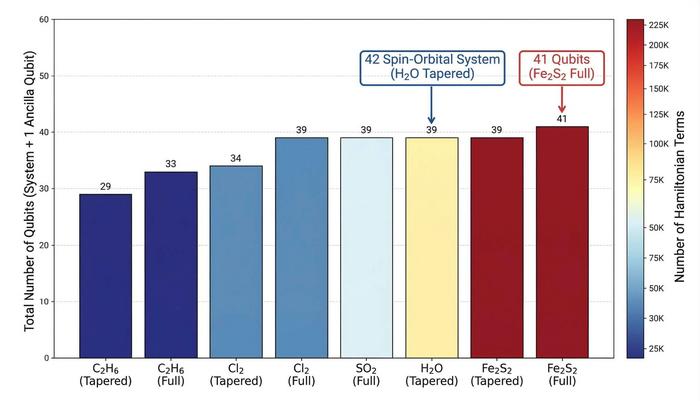
- IBM’s quantum foundry gamble reveals a troubling reality about the future of computing
- Pulsars as galactic scales: Supercomputer simulations reveal a new way to weigh neighboring galaxies
- NVIDIA’s fiscal 2027 surge shows the new face of supercomputing
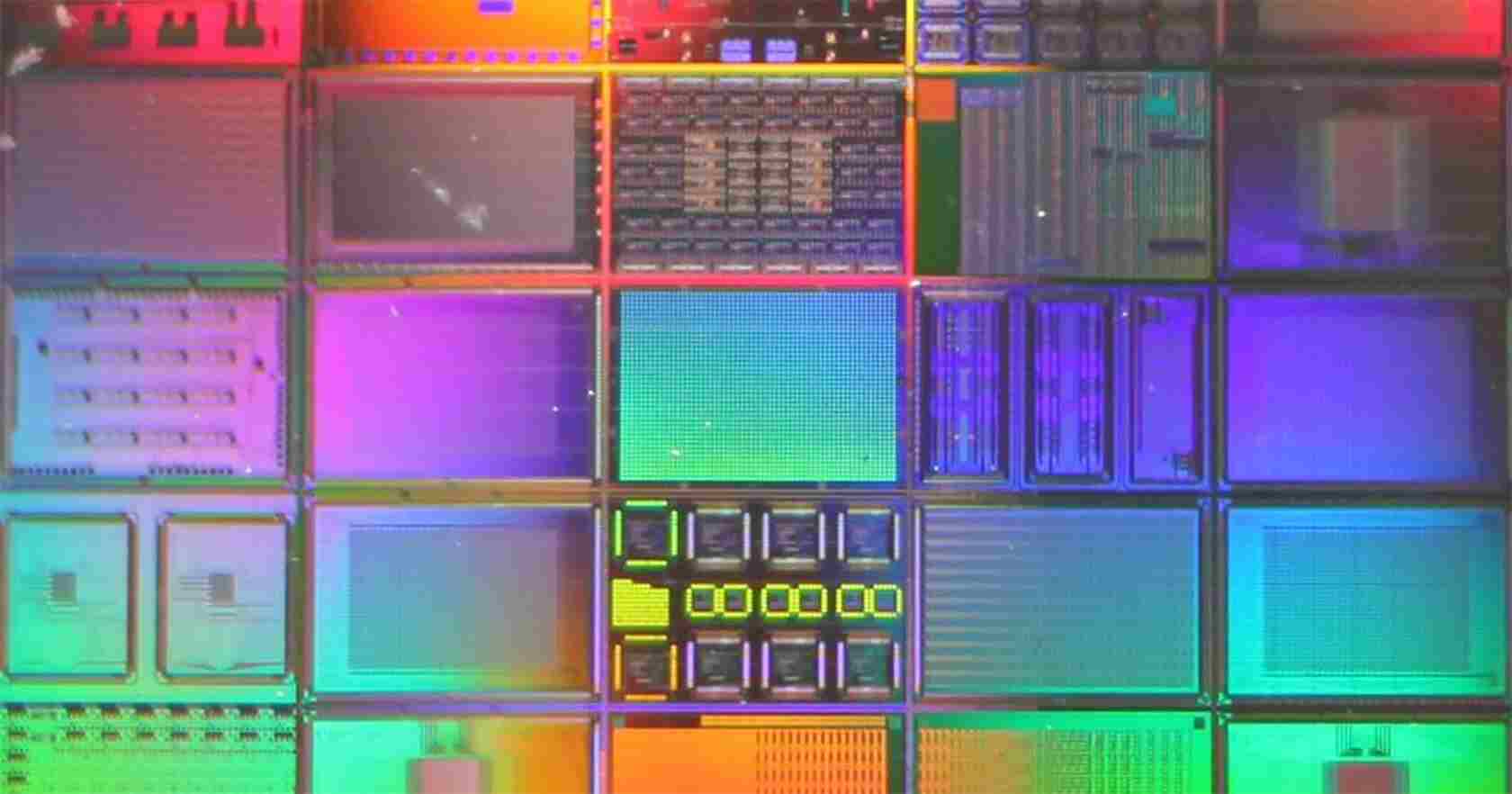
- Huawei’s Tau Scaling ambition tests the limits of post-Moore semiconductor reality
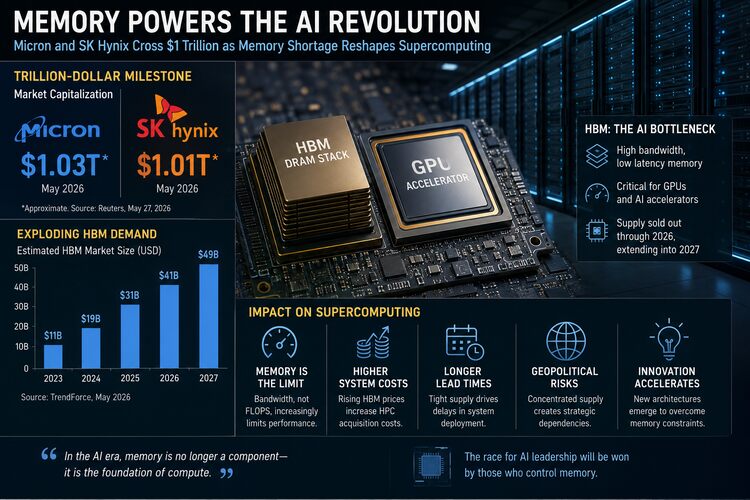
- Memory has become the new compute: Why Micron, SK Hynix crossing $1 trillion matters to supercomputing
- AI breaks conservation barriers: Australia’s Wildlife Observatory leverages supercomputing to protect biodiversity
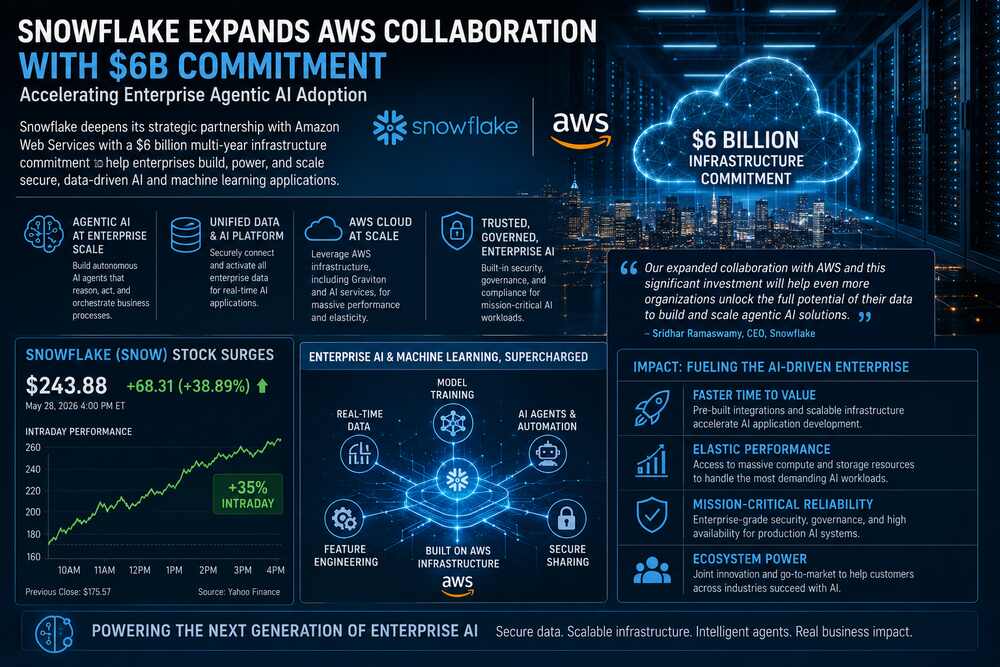
- Snowflake's $6 Billion AWS bet signals the next phase of enterprise AI infrastructure
- Dell’s fiscal 2027 surge shows supercomputing demand has become mainstream infrastructure
- Silicon spintronics brings the P-computer closer to reality