

SUPERCOMPUTING NEWS SUPERCOMPUTING NEWS
    • MEDIA KIT
    • MOST READ
    • RSS FEED
    • ACADEMIA
    • AEROSPACE
    • APPLICATIONS
    • ASTRONOMY
    • AUTOMOTIVE
    • BIG DATA
    • BIOLOGY
    • CHEMISTRY
    • CLIENTS
    • CLOUD
    • DEFENSE
    • DEVELOPER TOOLS
    • EARTH SCIENCES
    • ECONOMICS
    • ENGINEERING
    • ENTERTAINMENT
    • GAMING
    • GOVERNMENT
    • HEALTH
    • OIL & GAS
    • INDUSTRY
    • INTERCONNECTS
    • MANUFACTURING
    • MIDDLEWARE
    • MOVIES
    • NETWORKS
    • PHYSICS
    • PROCESSORS
    • RETAIL
    • SCIENCE
    • STORAGE
    • SYSTEMS
    • VISUALIZATION
    • AcyMailing subscription form

    • ADD YOUR VIDEOS
    • MANAGE VIDEOS
    • CONVERSATION INBOX
    • SOCIAL ADVERTISER
    • SOCIAL NETWORK VIDEOS
    • SURVEYS
    • GROUPS
    • PAGES
    • MARKETPLACE LISTINGS
    • APPLICATIONS BROWSER
    • PRIVACY CONFIRM REQUEST
    • PRIVACY CREATE REQUEST
    • LEADERBOARD
    • POINTS LISTING
      • BADGES
    • TRADE SHOWS
Sign In
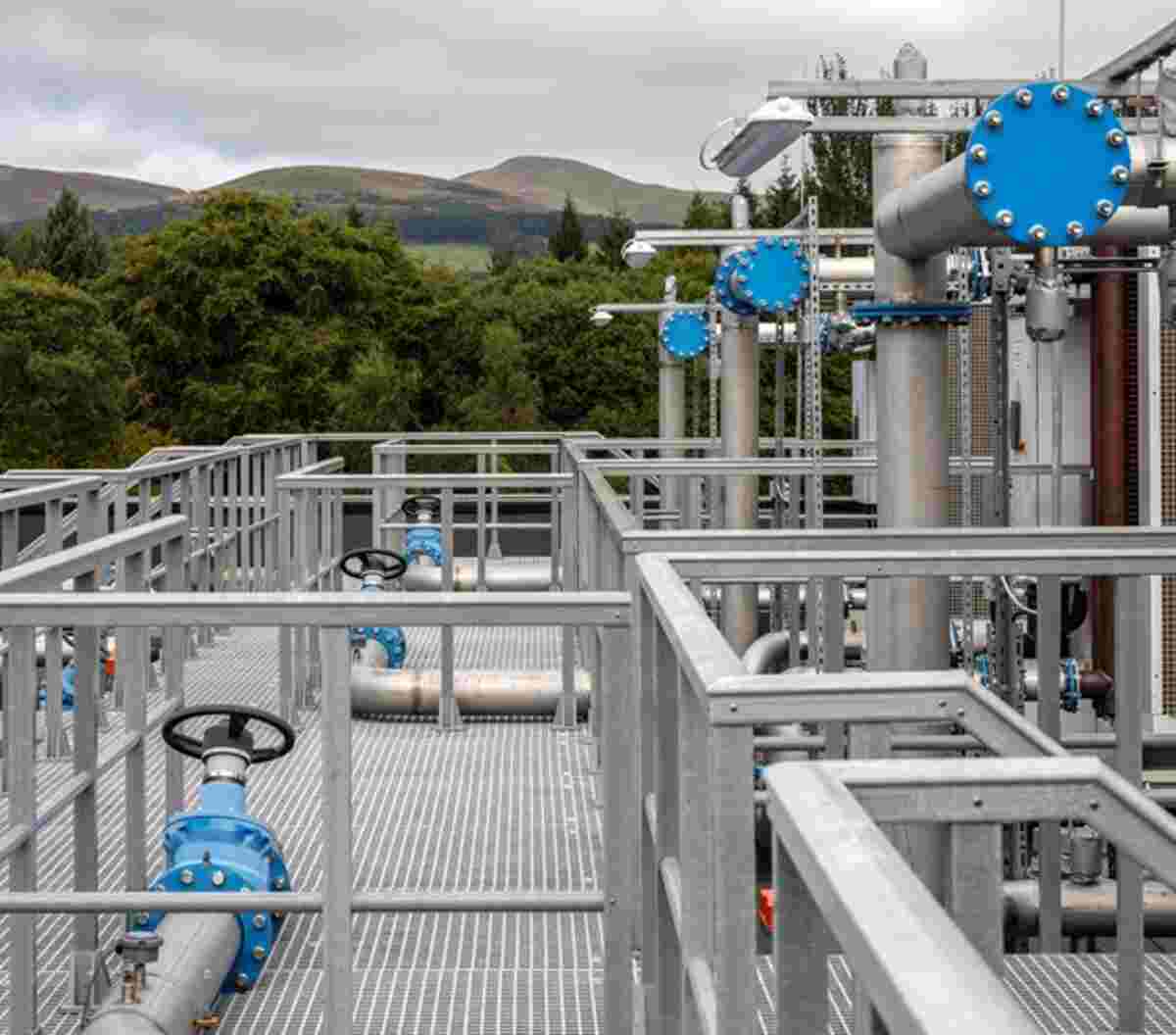
Supercomputing facility chilled Water distribution pipework connected to roof mounted cooling towers - credit Keith Hunter
Tyler O'Neal, Staff Editor ACADEMIA January 15, 2024, 4:30 pm

Bold claims raise skepticism over utilizing waste supercomputer heat for home heating

Experts question feasibility and long-term impacts of Edinburgh Geobattery project

A groundbreaking project in Edinburgh aims to harness waste heat from a large computing facility and utilize disused mine workings to warm thousands of households. However, experts are raising skepticism about the feasibility and potential consequences of this ambitious endeavor.

The University of Edinburgh's Advanced Computing Facility (ACF) generates vast amounts of excess heat, which proponents of the project suggest could be utilized to warm at least 5,000 households in Scotland's capital. The facility, including the national supercomputer, currently releases up to 70 GWh of excess heat annually, and this figure is projected to rise to a staggering 272 GWh once the new next-generation supercomputer is installed.

The £2.6 million feasibility study intends to investigate the potential of storing waste heat in old mine workings. The proposal envisions capturing the heat from the supercomputers and transferring it to the mine water, which would then be channeled through natural ground water flow to warm people's homes using heat pump technology.

Experts, however, express deep reservations about the viability and long-term implications of such an undertaking. They argue that the proposed system involves substantial technical challenges and potential risks.

One concern is the costly and complex process of cooling the supercomputers sufficiently to capture the heat. The transfer and storage of such thermal energy on a large scale would require extensive infrastructure modifications and monitoring, potentially straining available resources and increasing the project's overall expenses.

Additionally, the reliance on disused mine workings as a heat storage solution raises questions about emissions and environmental impact. Critics argue that disturbing abandoned flooded coal, shale, and mineral mine networks could lead to the release of harmful substances, including heavy metals and toxins into the local ecosystem. The long-term consequences for both human health and the environment remain unclear.

While the Edinburgh Geobattery project claims that up to seven million households in the UK could potentially benefit from repurposing abandoned mine networks, experts question the scalability of this solution. They argue that the challenges and costs associated with implementing such a system on a national scale would be astronomical and demand considerable financial resources.

Furthermore, concerns are raised about the reliability and stability of heat pump technology in extreme weather conditions. Skeptics point out that extreme cold spells in Scotland, for example, could affect the efficiency and effectiveness of heat pumps, potentially leaving residents without adequate heating.

Despite these valid concerns, project leaders and partners remain optimistic and emphasize the potential benefits of unlocking waste heat storage solutions. The University of Edinburgh aims to align this initiative with its net-zero objectives and has invested £500k in the project. The Scottish Enterprise has also awarded a £1 million grant through various funding networks, highlighting potential market opportunities for Scotland's energy transition.

Nevertheless, as the Edinburgh Geobattery project progresses, scrutiny and close monitoring will be crucial to ensure that claims of turning waste supercomputer heat into cost-effective heat solutions for households can withstand skeptical inquiry and provide tangible benefits for both the economy and the environment.
Cancer drug discovery accelerated as hundreds of overlooked targets prioritized

Cancer drug discovery accelerated as hundreds of overlooked targets prioritized

Tyler O'Neal, Staff Editor ACADEMIA January 12, 2024, 7:07 am

Groundbreaking study identifies 370 potential drug targets across multiple cancer types

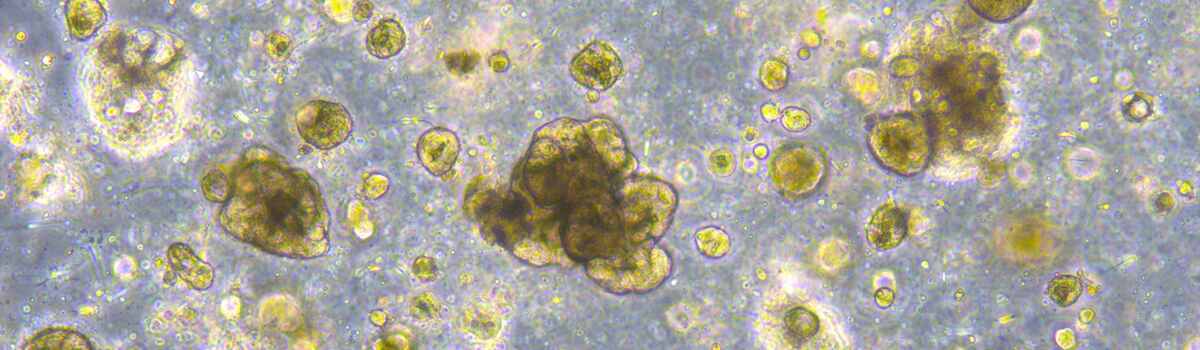
In a significant breakthrough for cancer research, scientists have uncovered 370 candidate priority drug targets that could revolutionize the treatment of various cancer types. This latest advancement comes from the second generation of the Cancer Dependency Map, a collaborative effort between the Wellcome Sanger Institute and Open Targets. This comprehensive analysis of cancer cells using machine learning methods has provided a fresh perspective on cancer vulnerabilities and holds the promise of smarter and more effective cancer treatments.

Researchers from the Wellcome Sanger Institute and their collaborators utilized data from 930 cancer cell lines, conducting an extensive analysis to identify drug targets that have the highest potential for developing new therapies. By examining multiple layers of functional and genomic information, the study provides an unbiased and panoramic view of the mechanisms that enable cancer cells to grow and survive. Published in Cancer Cell, the study not only brings us closer to producing a full Cancer Dependency Map, but it also lays the groundwork for targeted cancer treatments.

The lack of effective treatments for various cancer types, such as liver and ovarian cancers, has been a critical challenge in cancer research. Traditional chemotherapy and radiotherapy, though effective, fail to distinguish between normal cells and cancerous ones, resulting in harsh side effects. The need for precision drugs tailored to specific genetic mutations driving cancer has become increasingly evident. However, the high failure rate of drug development, currently at 90 percent, has hindered progress in finding suitable targets for specific types of cancer and patients.

This groundbreaking study narrows down potential drug targets by analyzing data from the Cancer Dependency Map project. By disrupting every gene inside 930 human cancer lines using CRISPR technology, scientists were able to identify weaknesses within different cancer types, known as genetic dependencies. These dependencies served as a foundation for identifying patient-specific clinical markers, allowing for targeted therapies that maximize effectiveness. Furthermore, the study explored how dependency-marker pairs fit into existing networks of molecular interactions within cells, providing crucial information on disrupted cell biology and potential therapeutic targets.

The implications of this research are profound. Not only does it provide a clearer understanding of which types of cancer can be treated through existing drug discovery strategies, but it also emphasizes the need for innovative approaches in areas where traditional methods fall short. Tailoring treatments to the unique characteristics of each cancer promises more personalized care for patients, ensuring fewer side effects and increased chances of success.

Dr. Francesco Iorio, co-lead author of the study, hailed the results as "the most comprehensive map yet of human cancers' vulnerabilities – their 'Achilles heel'". He expressed optimism about the new list of top-priority targets, which could pave the way for potential treatments to help patients with the most prevalent cancers, including breast, lung, and colon cancers.

Dr. Mathew Garnett, co-lead author of the study, emphasized the importance of leveraging genomics and computational biology to target cancer cells effectively. He believes that this work will enable drug developers to focus their efforts on the highest value targets, ultimately accelerating the development of new medicines for patients.

The potential impact of this research on the future of cancer treatment has also drawn praise from Dr. Marianne Baker, a science engagement manager at Cancer Research UK, who emphasized the significance of precision medicine. She commended the study as a compelling example of research informing drug discovery, towards more effective and personalized cancer therapies.

With millions of patients diagnosed with cancer each year, responsible for one in six deaths worldwide, the urgency to find innovative solutions is undeniable. The Cancer Dependency Map project, in collaboration with the Open Targets initiative, offers hope for patients, providing crucial information for new drug target identification. Through continued efforts and advancements in computational and machine intelligence methodologies, researchers are moving closer to a new era of enhanced cancer treatments.

Scientists reveal open-source models to tackle space debris, advancing sustainable space exploration

Scientists reveal open-source models to tackle space debris, advancing sustainable space exploration

Tyler O'Neal, Staff Editor ACADEMIA January 11, 2024, 7:00 am

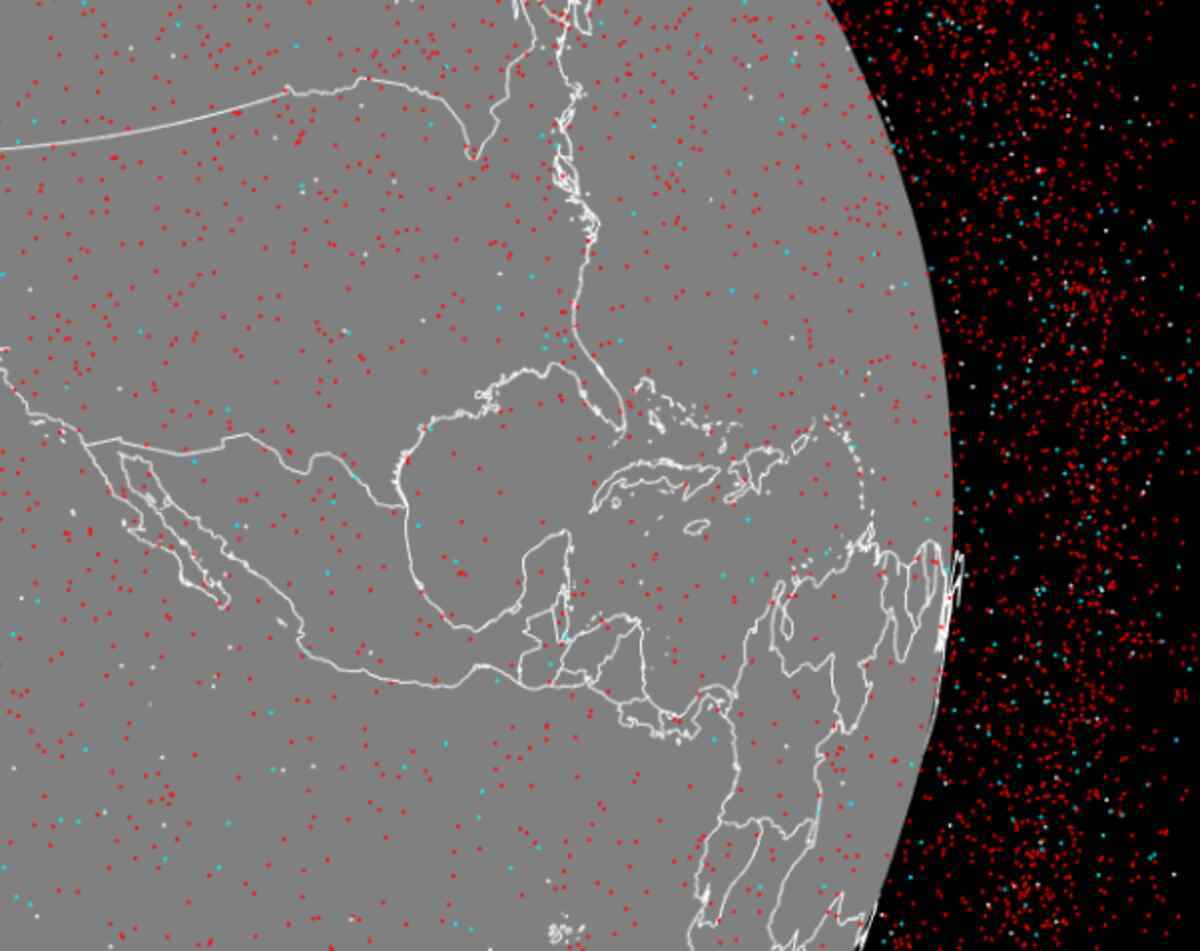
MIT's Astrodynamics, Space Robotics, and Controls Laboratory (ARCLab) has taken a significant step towards ensuring the responsible and sustainable use of our space resources by publicly releasing the MIT Orbital Capacity Assessment Tool (MOCAT). This open-source model was unveiled during the Organization for Economic Cooperation and Development (OECD) Space Forum Workshop in December 2023. The tool will enable stakeholders to predict the growth of space debris and assess the effectiveness of measures to prevent its proliferation.


As the number of satellites deployed in low Earth orbit increases, the risk of collisions and space debris accumulation also increases. Therefore, understanding the future space environment and its potential risks is crucial to developing effective strategies for responsible space exploration.

MOCAT is a powerful tool for comprehensive space environment analysis and management. It is capable of simulating individual objects, accounting for various parameters, analyzing orbital characteristics, evaluating fragmentation scenarios, and calculating collision probabilities. This tool's versatility makes it unique and offers multiple levels of computational fidelity to cater to different needs.

MIT's ARCLab aims to make MOCAT an open-source solution accessible to satellite operators, regulators, and the public. By releasing it as an open-source project, the team at ARCLab hopes to engage the global community in refining our understanding of satellite orbits and making significant contributions towards sustainable space exploration.

MOCAT comprises two primary components. MOCAT-MC offers a high-level overview of the space environment by utilizing individual trajectory simulations and Monte Carlo parameter analysis to evaluate its evolution. On the other hand, the MOCAT Source Sink Evolutionary Model (MOCAT-SSEM) employs a lower-fidelity approach that provides rapid analysis within seconds to minutes on personal computers. Both MOCAT-MC and MOCAT-SSEM are accessible separately via GitHub, enabling users to experiment and provide feedback to further enhance the tool's capabilities.

The development of MOCAT has received support from prominent organizations like the Defense Advanced Research Projects Agency (DARPA) and NASA's Office of Technology and Strategy, highlighting the significance of this research and its potential global impact.

Charity Weeden, associate administrator for the Office of Technology, Policy, and Strategy at NASA headquarters, applauds the efforts, stating, "We are thrilled to support this groundbreaking orbital debris modeling work and the new knowledge it has generated. This open-source modeling tool is a public good that will advance space sustainability, improve evidence-based policy analysis, and help all users of space make better decisions."

The release of MOCAT is a significant milestone in humanity's ambitious space exploration missions. By combining scientific research, collaborative efforts, and the power of open-source, we are taking a crucial step towards ensuring a sustainable and responsible future in space.

Lastly, it is essential to acknowledge the diverse perspectives in managing space resources responsibly.

  1. Artificial intelligence unleashes the future of wireless communications
  2. Harnessing the power of artificial intelligence in leukemia diagnosis

Page 12 of 123

  • 7
  • 8
  • 9
  • 10
  • 11
  • 12
  • 13
  • 14
  • 15
  • 16
POPULAR RIGHT NOW
  • Supercomputers uncover a new class of cosmic explosions hidden in plain sight
    Supercomputers uncover a new class of cosmic explosions hidden in plain sight
  • AI supercharges the hunt for stronger magnets: Iowa State researchers launch a new era of intelligent materials discovery
    AI supercharges the hunt for stronger magnets: Iowa State researchers launch a new era of intelligent materials discovery
  • IBM's Historic stock collapse raises questions for the future of enterprise supercomputing
    IBM's Historic stock collapse raises questions for the future of enterprise supercomputing
  • Could a novel dark matter theory simultaneously resolve multiple cosmic enigmas? Supercomputer simulations provide a compelling, albeit currently unverified, potential solution
    Could a novel dark matter theory simultaneously resolve multiple cosmic enigmas? Supercomputer simulations provide a compelling, albeit currently unverified, potential solution
  • Melting icebergs may be reshaping Earth’s greatest ocean current
    Melting icebergs may be reshaping Earth’s greatest ocean current
  • Supercomputers replace ‘bathtub’ flood maps with physics-based digital twins of Britain’s coastline
    Supercomputers replace ‘bathtub’ flood maps with physics-based digital twins of Britain’s coastline
  • Supercomputers push neural quantum simulation beyond previous limits
    Supercomputers push neural quantum simulation beyond previous limits
  • Intel’s AI supercomputing revival: Q2 financial surge signals new era for CPU-powered HPC infrastructure
    Intel’s AI supercomputing revival: Q2 financial surge signals new era for CPU-powered HPC infrastructure
  • AI infrastructure financing fears shake semiconductor sector
    AI infrastructure financing fears shake semiconductor sector
  • AWS supercomputing investment reaches historic scale as Amazon’s AI strategy powers record financial results
    AWS supercomputing investment reaches historic scale as Amazon’s AI strategy powers record financial results
THIS YEAR'S MOST READ
  • Wall Street wants to trade supercomputing power like oil
    Wall Street wants to trade supercomputing power like oil
  • Cosmic ambition at scale: UK’s supercomputer unlocks a 2.5 petabytes universe
    Cosmic ambition at scale: UK’s supercomputer unlocks a 2.5 petabytes universe
  • Hidden order, revealed at scale: Supercomputing, electron ptychography uncover the inner workings of relaxor ferroelectrics
    Hidden order, revealed at scale: Supercomputing, electron ptychography uncover the inner workings of relaxor ferroelectrics
  • Beamforming the future: BeammWave's 6G push signals the rise of orbital-terrestrial wireless networks
    Joakim Axmon
    Joakim Axmon
  • Intel's Q1 results signal supercomputing surge driving Xeon momentum
    Intel's Q1 results signal supercomputing surge driving Xeon momentum
  • When stars fall apart: Supercomputing reveals the hidden physics of black holes
    When stars fall apart: Supercomputing reveals the hidden physics of black holes
  • Multi-layer simulations reveal the hidden supply chain of solar prominences
    Multi-layer simulations reveal the hidden supply chain of solar prominences
  • Japanese scientists decode dolphin speed with supercomputing: Turbulence, vortices, and the hidden physics of propulsion
    Japanese scientists decode dolphin speed with supercomputing: Turbulence, vortices, and the hidden physics of propulsion
  • Cosmic feedback at scale: Supercomputing reveals how quasars regulate the early Universe
    Cosmic feedback at scale: Supercomputing reveals how quasars regulate the early Universe
  • Modeling life at the microscopic scale: A computational breakthrough in oxygen transport
    Modeling life at the microscopic scale: A computational breakthrough in oxygen transport
MOST READ OF ALL-TIME
  • Largest Computational Biology Simulation Mimics The Ribosome
    Details
    112107
    The amino acid (green) slithers into the chemical reaction center, moving through an evolutionarily ancient corridor of the ribosome (purple). The amino acid is delivered to the reaction core by the transfer RNA molecule (yellow).
    The amino acid (green) slithers into the chemical reaction center, moving through an evolutionarily ancient corridor of the ribosome (purple). The amino acid is delivered to the reaction core by the transfer RNA molecule (yellow).
  • Silicon 'neurons' may add a new dimension to chips
    Details
    80990
    Silicon 'neurons' may add a new dimension to chips
  • Linux Networx Accelerators Expected to Drive up to 4x Price/Performance
    Details
    75537
  • Complex Concepts That Really Add Up
    Details
    73635
    Complex Concepts That Really Add Up
  • Blue Sky Studios Donates Animation SuperComputer to Wesleyan
    Details
    68140
    Each rack holds 52 Angstrom Microsystem-brand “blades,” with a memory footprint of 12 or 24 gigabytes each. (Photos by Olivia Bartlett Drake)
    Each rack holds 52 Angstrom Microsystem-brand “blades,” with a memory footprint of 12 or 24 gigabytes each. (Photos by Olivia Bartlett Drake)
  • Humanities, HPC connect at NERSC
    Details
    57945
  • TeraGrid ’09 'Call for Participation'
    Details
    54951
  • Turbulence responsible for black holes' balancing act
    Details
    52310
  • Cray Wins $52 Million SuperComputer Contract
    Details
    50139
  • SDSC Researchers Accurately Predict Protein Docking
    Details
    46078
  • FRONTPAGE
  • LATEST
  • POPULAR
  • REGISTER
  • SOCIAL
  • VIDEO
  • SUBSCRIPTION
  • RSS
  • GUIDELINES
  • PRIVACY
  • TOS
  • ABOUT
  • +1 (816) 799-4488
  • editorial@supercomputingonline.com
© 2001 - 2026 SuperComputingOnline.com, LLC. All rights reserved. This material may not be published, broadcast, rewritten or redistributed without permission.
Sign In
  • FRONT PAGE
  • LATEST
    • MEDIA KIT
    • MOST READ
    • RSS FEED
    • ACADEMIA
    • AEROSPACE
    • APPLICATIONS
    • ASTRONOMY
    • AUTOMOTIVE
    • BIG DATA
    • BIOLOGY
    • CHEMISTRY
    • CLIENTS
    • CLOUD
    • DEFENSE
    • DEVELOPER TOOLS
    • EARTH SCIENCES
    • ECONOMICS
    • ENGINEERING
    • ENTERTAINMENT
    • HEALTH
    • INDUSTRY
    • INTERCONNECTS
    • GAMING
    • GOVERNMENT
    • MANUFACTURING
    • MIDDLEWARE
    • MOVIES
    • NETWORKS
    • OIL & GAS
    • PHYSICS
    • PROCESSORS
    • RETAIL
    • SCIENCE
    • STORAGE
    • SYSTEMS
    • VISUALIZATION
  • VIDEOS
    • ADD YOUR VIDEOS
    • MANAGE VIDEOS
  • COMMUNITY
    • TRADE SHOWS
    • SOCIAL NETWORK VIDEOS
    • SURVEYS
    • APPLICATIONS BROWSER
    • CONVERSATION INBOX
    • SOCIAL ADVERTISER
    • GROUPS
    • MARKETPLACE LISTINGS
    • PAGES
    • LEADERBOARD
    • POINTS LISTING
      • BADGES
    • PRIVACY CONFIRM REQUEST
    • PRIVACY CREATE REQUEST

Hey there! We noticed you’re using an ad blocker.